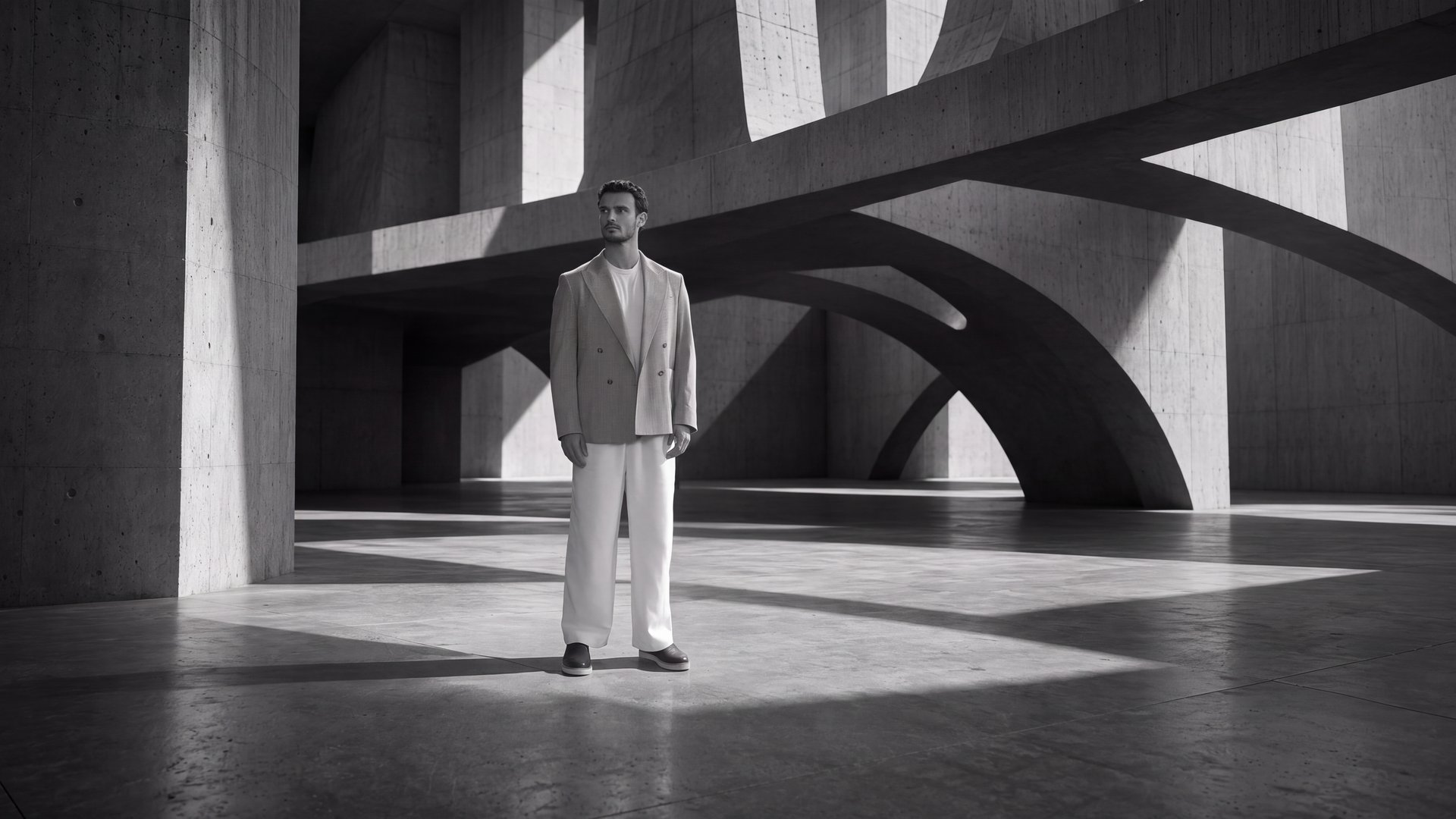
An AI ad is made in eight steps: brief, script, style frames, shot list, generation, hand finishing, edit and sound, then versions. The AI tools handle the generation. People direct everything around it, and that direction is what decides if the ad works.
This is how iklipse, an AI production agency for advertising in the GCC, Egypt and Cyprus, takes an AI commercial from brief to final file.
Step 1: the brief sets the job, the market and the limits.
We need the message, the audience, where it will run, the languages and the formats. We also ask what must be exact, such as the product, a building or a face. Those are the shots that take the most care.
Step 2: the script and treatment come before any AI.
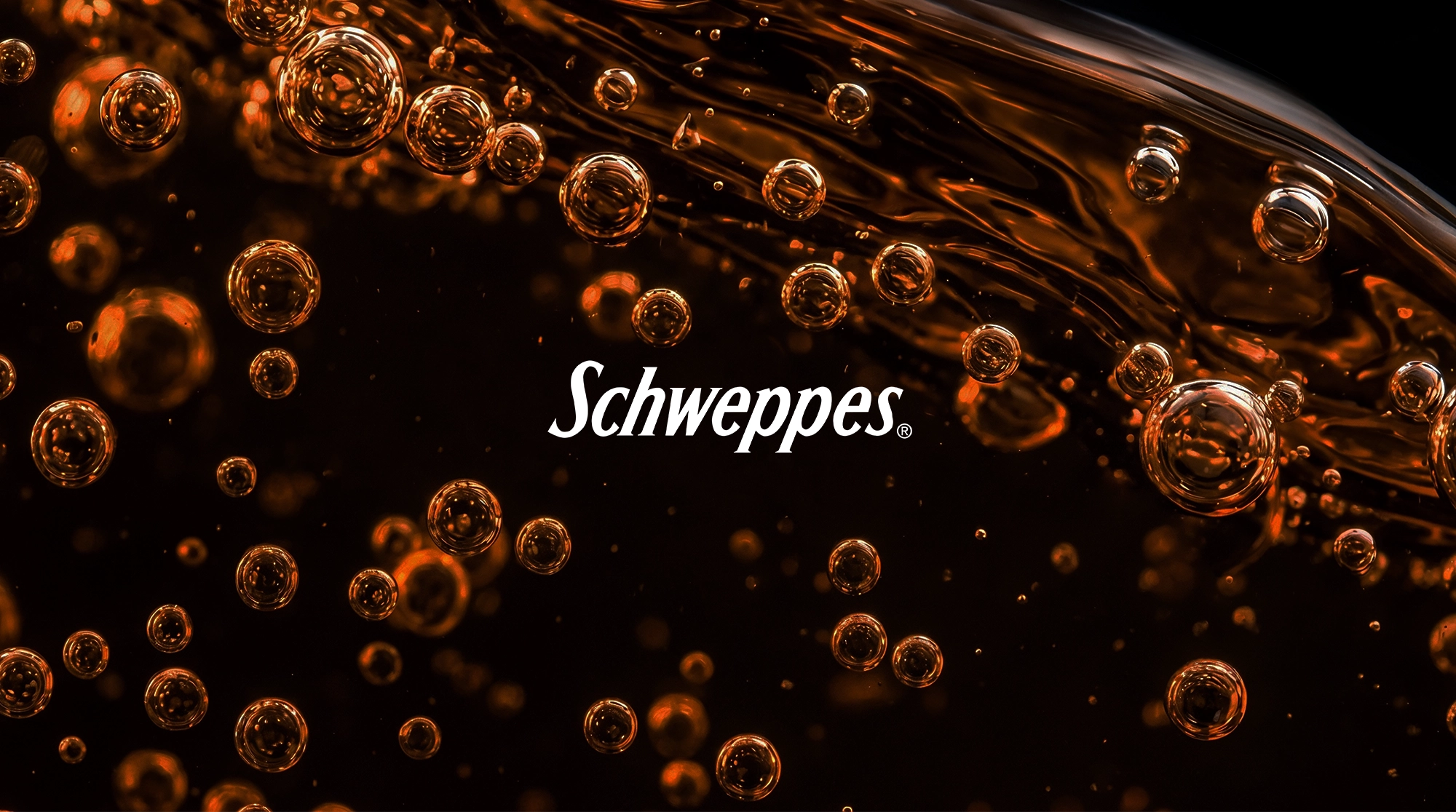
A good AI ad starts as a good idea on paper. If you already work with an agency, the script often comes from them. That was the case with VML on Schweppes and with BPG on Bank of Muscat.
Step 3: style frames fix the look before production starts.
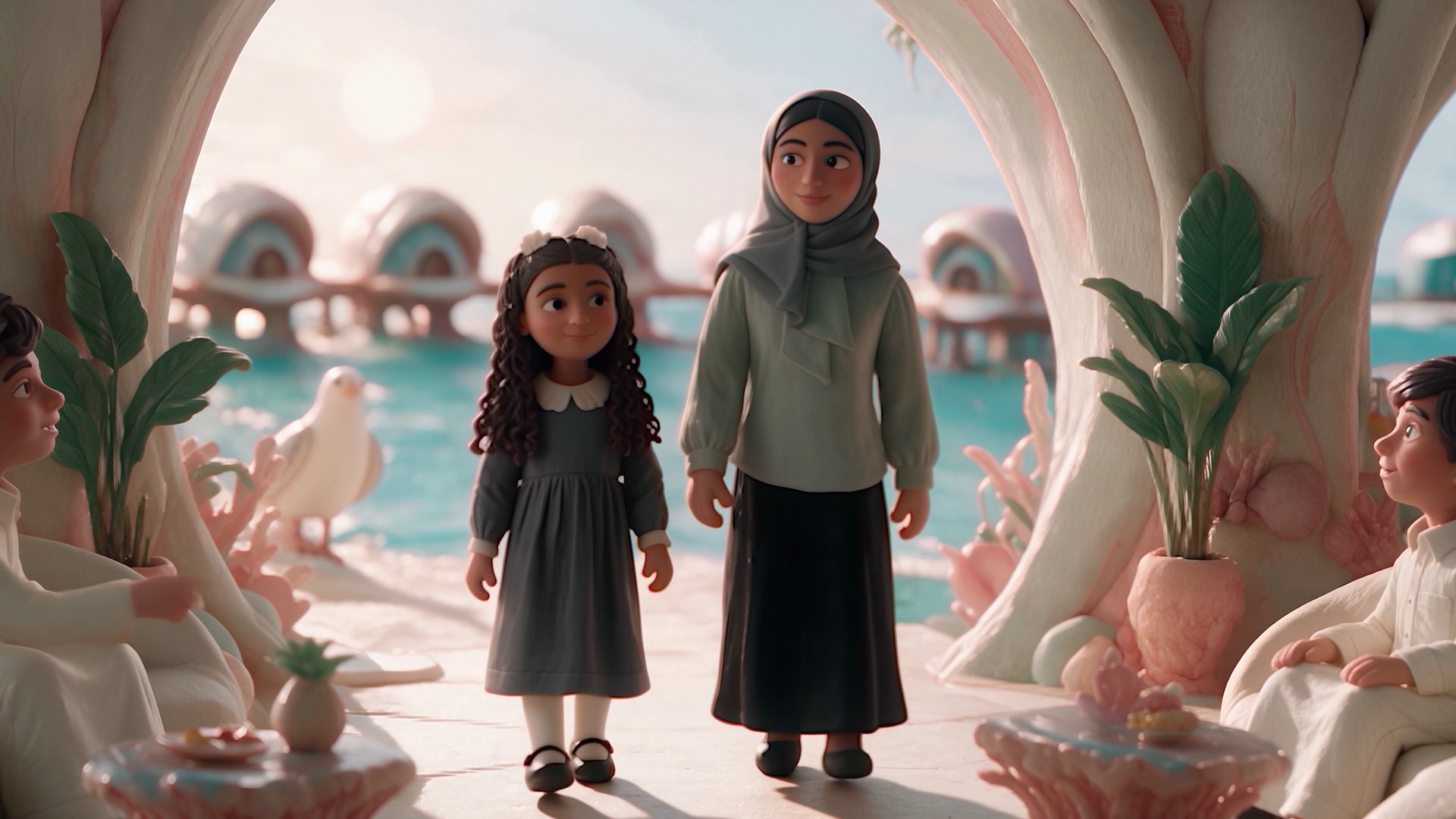
We generate a small set of frames that show the world, the light and the characters. The brand approves these first, so nobody is surprised later. For Toyota and Abdul Latif Jameel, each imagined world had its own art style, and the frames made sure the same children stayed recognisable across all of them.
Step 4: the shot list turns the script into a plan.
Every shot gets a description, a length, a camera move and a reference. The shot list also drives the budget, because each shot is real work.
Step 5: generation is where the AI tools come in.
We use a mix of image and video models and pick the right tool for each shot. Real references go in wherever accuracy matters. For ORA Developers Iraq, every scene was built from the developer's own renders and locked character sheets. Each shot is generated many times and the best take is chosen, much like on a set.
Step 6: finishing by hand fixes what the AI gets wrong.
Hands, text, logos, product details and continuity all get checked and fixed. This is the step that separates a campaign from a demo. For Hardee's, the food shots were produced with AI and finished by hand, then delivered the same day they were requested.
Step 7: edit, grade and sound make it a film.
The shots are cut, given one consistent grade and set to music, sound design and voiceover. Arabic and English voiceovers are recorded or produced at this stage.
Step 8: versions get every cut the media plan needs.
Horizontal for TV and YouTube, vertical for Reels, TikTok, Snapchat and Shorts, in each language. Planning versions from step 1 keeps them cheap.
Frequently asked questions
Which AI tools do you use?
It changes as the tools improve. We choose per shot, based on what each model does best, and never rely on one tool.
How many review rounds are there?
Usually one at style frames, one at the first cut and one at the final cut, plus any your legal team needs.
Can you work from our agency's script?
Yes. Much of our work is as the AI production partner of advertising agencies.
Read more on our AI production page, or see when AI beats a traditional shoot.
Sources: iklipse case studies on iklipseworld.com/works.