Small American brands can now publish as much good content as big ones, because AI production cuts the cost and time of each image and video. A content library of a hundred consistent assets used to need several shoot days. Today a small team with clear art direction can make it in weeks. The brands that win this summer will be the ones with a plan for that library.
iklipse is a creative and AI production agency working with brands in the US, the GCC and Europe. Our AI production team, led by Joe G., has spent the last two years making content for small and mid-sized American brands. Here is what we have learned.
Online shopping keeps growing, and so does the demand for content.
The US Census Bureau reported that e-commerce made up 16.9% of all US retail sales in the first quarter of 2026. Every one of those online sales starts with an image on a screen: a product page, an ad, a social post, a marketplace listing. A DTC brand might need fresh visuals for five platforms, three ad formats and a website, every month.
Big brands meet that demand with big budgets. Small brands used to choose between a single expensive shoot that went stale by August and cheap stock photos that looked like everyone else's. AI production gives them a third option.
Four small brands, four different problems.
Cleansy needed a whole website's worth of imagery.
Cleansy is a luxury cleaning and hospitality service in Orlando, Florida, focused on premium home and short-term rental turnovers. Its brand is defined by hotel-grade cleanliness. For its new website, we handled the full AI production of all imagery, generating more than one hundred distinct visual assets, from aspirational lifestyle scenes to detailed service visuals. A service business is hard to shoot: you would need many homes, many rooms and many crews. AI gave Cleansy a consistent, high-end look without the logistics. See the Cleansy case study.
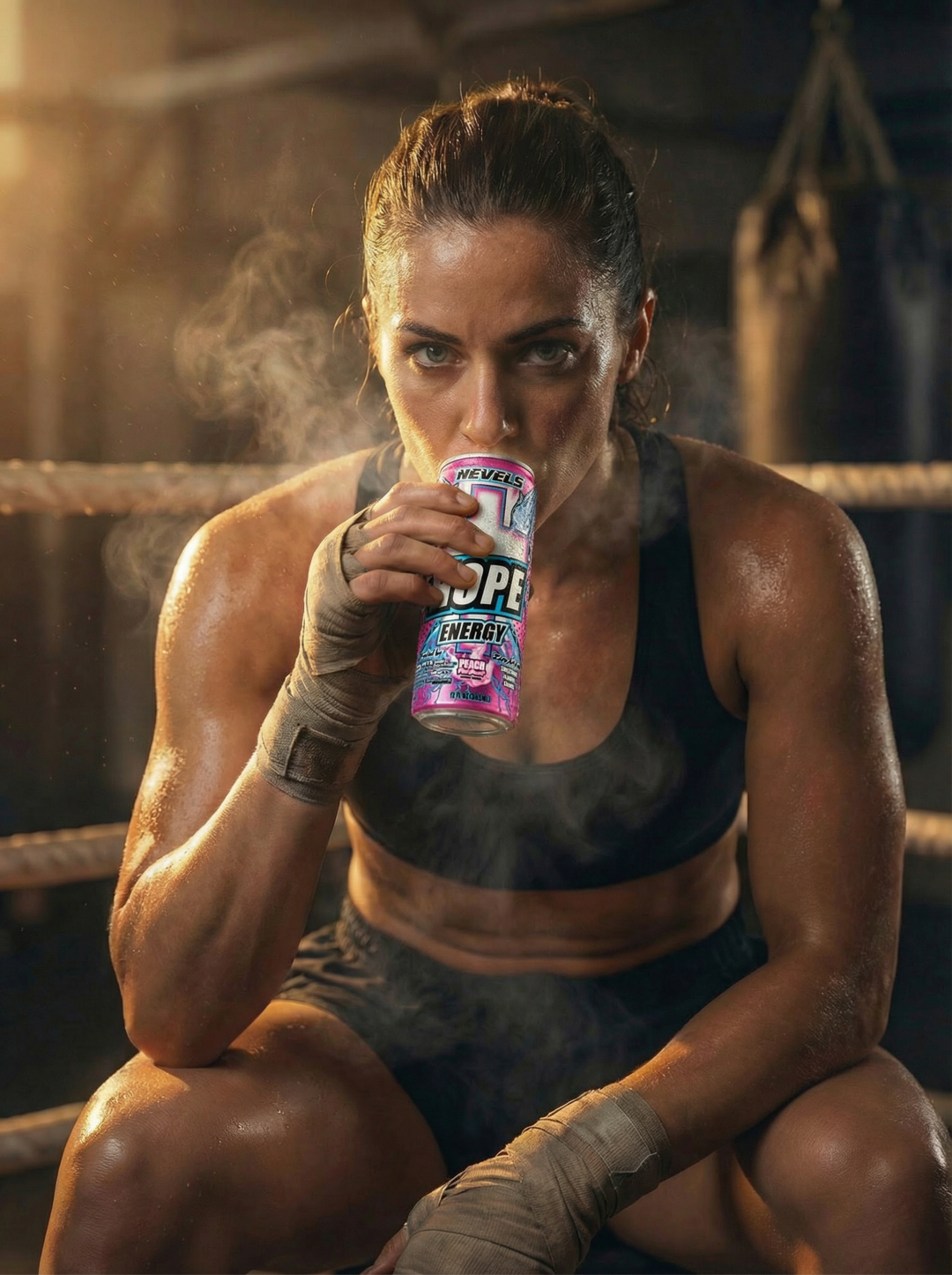
Hope Energy needed a library that could scale.
Hope Energy and Nevel Nutrition are faith-driven food and drink brands in the US, focused on clean, purposeful energy and nutrition. Their mission is value-led, so the content had to feel premium and honest at once. We produced a cohesive suite of aspirational product visuals that highlight clean ingredients, purpose and lifestyle, giving the brands a scalable library with consistent presentation. See the Hope Energy case study.
Barefoot Wine needed launch visuals for a new bottle.
Barefoot Wine is a well-known name, and the brief was focused: striking visuals for its new bottle. We made AI-generated images and videos showing the bottle in lifestyle and promotional settings, formatted for social media, ads and brand campaigns. A launch needs volume quickly, and that is where AI production is strongest. See the Barefoot Wine case study.
Picklezone needed energy for a tournament.
Picklezone is a pickleball brand that wanted dynamic visuals to capture the excitement of the sport and its tournament event. We created AI-powered video and image content built to energise fans and lift engagement across social and marketing channels. Sport content lives or dies on movement, so the work leaned into action and crowds. See the Picklezone case study.
Here is how a small brand should plan a summer content library.
The tools are the easy part. What separates good AI content from forgettable AI content is the thinking before anything is generated.
- Lock the look first. Agree on light, colour, setting and the kind of people in frame before making the first image. Joe's team writes this down as a short visual rule set, so asset number ninety matches asset number one.
- Use the real product as the anchor. The product must look exactly like what the customer receives. Labels, colours and proportions are checked against the real thing.
- Plan by placement. List every slot the content will fill: homepage, product pages, Meta ads, TikTok, email. Then make assets for those slots, in the right ratios.
- Batch by season. Make the summer set in one go, with room for quick additions when something takes off.
- Keep it honest. Styling and setting can be imagined. Results and testimonials cannot. We set out where that line sits in our post on responsible AI in advertising.
What it costs, roughly.
We broke down the numbers in our post on AI product shoot costs. The short version: AI production removes location fees, travel, reshoots and most of the crew, and turnaround drops from weeks to days. It still needs skilled people. Art direction, retouching and editing are where the quality comes from.
Summer is loud. Big brands will spend heavily on the feed. A small brand with a well-planned library of a hundred strong, consistent assets can show up every day and look like it belongs there. If you want to build one, our AI-infused production team can help.
Frequently asked questions
What is DTC content production?
Making the images and videos a direct-to-consumer brand needs for its website, ads, social channels and marketplaces, usually in high volume and many formats.
Is AI-produced content good enough for a premium brand?
Yes, with strong art direction and the real product as reference. Cleansy's website, for example, uses more than one hundred AI-produced images built to match its premium positioning.
How many content assets does a small brand need for a season?
It depends on channels and ad spend. Plan by placement: list every slot that needs fresh content and multiply by how often it refreshes.
Sources: US Census Bureau Quarterly Retail E-Commerce Sales report.