Responsible AI in advertising comes down to one line: AI can make the picture beautiful, and it must never make the product's result look better than it really is. Advertising has always styled reality, from glue in cereal bowls to motor oil on pancakes, and regulators have mostly accepted that. What they punish, and what audiences punish, is an ad that fakes the outcome a customer is paying for.
Advertising has always used props, and that was never the problem.
Food stylists have been bending reality for decades. Cereal shots often use white PVA glue in place of milk, because real milk turns flakes soggy under the lights. Motor oil stands in for maple syrup, because it holds its shine and does not soak into the pancakes. Shaving cream plays whipped cream. Damp cotton balls, heated in a microwave, sit behind a plate to make it steam.
Nobody calls this fraud, and there is a good reason. The viewer is not being lied to about what they get. The pancake is still a pancake, the syrup still tastes of syrup at home. The props only solve a problem the camera has with heat, time and light.
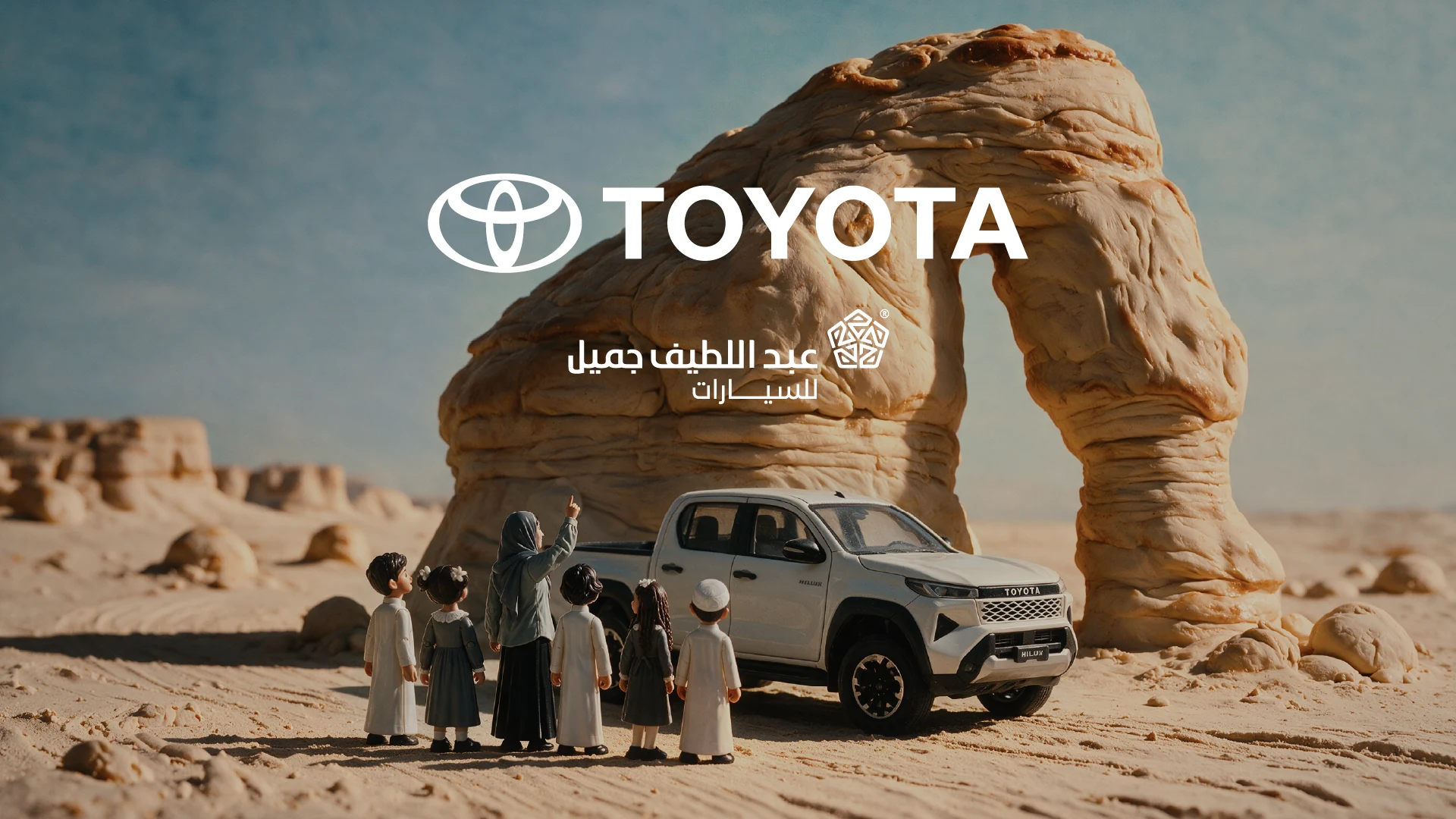
AI sits in exactly the same place when it is used to build a set, light a room, place a bottle on a marble counter at golden hour or produce a hundred product hero shots without a studio. Nabil Khaled, founder of iklipse, holds that this is simply a new kind of food styling: a way to make the picture premium.
The line is crossed when AI fakes the result a customer pays for.
The trouble starts when a generated image does the product's job for it. A few examples we would refuse:
- An AI-generated face presented as a real customer, showing skin a cream has supposedly cleared.
- A before-and-after where the "after" was made by a model.
- A hair tool shown producing a finish it cannot produce, with the shine added in generation.
- Fake testimonials or reviews, voiced or written by AI and presented as real people.
Each of these tells the viewer something untrue about what will happen when they buy. That is the bit that matters, whether the image came from a camera, a retoucher or a model.
Regulators already have rules that cover this.
The UK ASA ruled against beauty filters in 2021.
In February 2021, the UK's Advertising Standards Authority upheld complaints about Instagram stories promoting two tanning brands, Skinny Tan and Tanologist Tan, where beauty filters had been applied. The cases followed make-up artist Sasha Louise Pallari's #filterdrop campaign. The ASA said filters are not a problem in themselves, but they should not be used on images promoting cosmetic products if they are likely to exaggerate what the product can do. Swap "filter" for "AI" and the principle carries over cleanly.
The US FTC bans fake and AI-generated reviews.
In the US, the Federal Trade Commission's truth-in-advertising rules have always required that claims be truthful and backed up. In August 2024 the FTC finalised a rule banning fake consumer reviews and testimonials, including ones generated by AI, and it took effect on 21 October 2024. A synthetic "customer" praising a product is squarely inside that rule.
Egypt's consumer protection law covers misleading impressions.
Egypt's Consumer Protection Law No. 181 of 2018 defines a deceptive practice as any act or omission by an advertiser that creates a false or misleading impression for the consumer. Practitioner guides note that liability can reach agencies that contribute to misleading content, as well as the advertiser. Gulf markets have their own consumer protection and media rules, and we check the specific market with the client's legal team on every campaign that makes a performance claim.
Here is the simple line we draw on every project.
Before a frame goes out, we ask one question: is AI showing what the product is, or what the product does?
- What it is (the bottle, the pack, the setting, the light, the mood): AI is fair game, the same as a set builder or a stylist.
- What it does (skin, hair, weight, speed, results): the result has to be real and verifiable. If we show it, it comes from real use, and any styling is honest about scale.
Joe G.'s AI production team builds this into the brief. Every job starts with a list of claims the client is making, and anything on that list is shot or sourced for real, with AI used only for the world around it. It is a small step that saves a lot of awkward conversations later.
Our own beauty and product work follows the same rule.
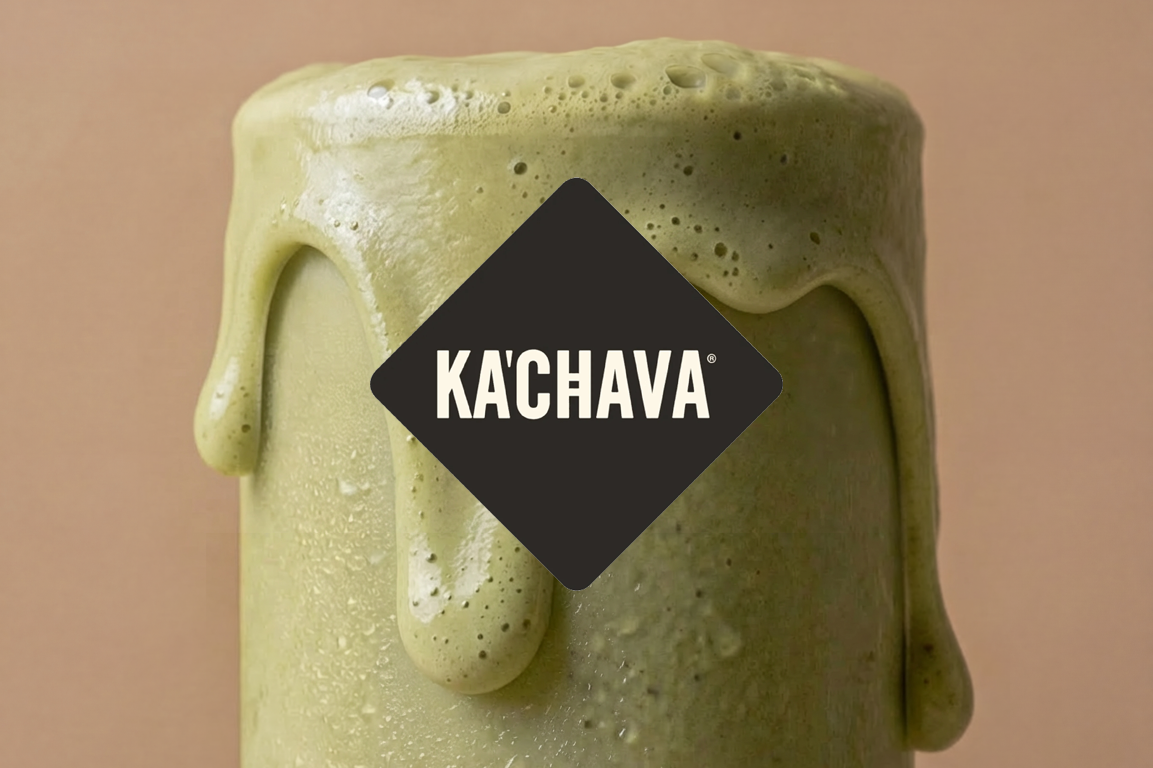
For Sleeke, a hair care and tools brand from North Hollywood, the AI campaign made the tools and their technology look premium. For Ka'Chava, every texture shot and rooftop scene was generated and art directed in-house to feel shot on set, and nothing in it promised a health result the shake does not deliver. The aesthetics were built with AI; the claims stayed the client's real ones. You can see both at Sleeke and Ka'Chava.
This is the first part of a short series on responsible AI.
We will follow this with a piece on disclosure, and when and how a brand should label AI work, and later one on rights, faces and consent. iklipse is a creative and AI production agency working across the US, the GCC and Egypt, and our AI-Infused Production team is happy to look at a brief and tell you honestly where AI fits. Get in touch.
Frequently asked questions.
Is it legal to use AI images in advertising?
Generally yes. The usual advertising rules still apply: the ad must not mislead. Using AI for sets, light and product shots is fine; using it to fake a product's results is where you run into trouble.
Can a skincare ad use an AI-generated model?
It can use one for mood and styling, but it should not present that face as proof of results or as a real customer. The UK ASA's 2021 filter rulings are a useful guide here.
Are AI-generated reviews allowed in the US?
No. The FTC's rule on fake reviews and testimonials, in force since 21 October 2024, covers AI-generated reviews.
Sources: UK Advertising Standards Authority (via Campaign Asia and Cosmetics Business), US Federal Trade Commission (via TechCrunch and Sidley), Egyptian Consumer Protection Law No. 181 of 2018 (Andersen translation), Chambers Advertising and Marketing 2025, NPR, Centennial College.