B2B video production in Saudi Arabia is catching up with the market it serves. Saudi foodservice is one of the fastest growing in the region, worth somewhere between 27 and 32 billion US dollars in 2024 depending on which research firm you ask, and the suppliers behind it now need films that look as good as the restaurants they stock. A well-made corporate film tells a hotel buyer, a chef or an investor that you are a serious partner before anyone opens a price list.
At iklipse, a creative and AI production agency working across the GCC and Egypt, we made exactly that kind of film for SFS. Here is what we learned, and why we think B2B brands in the Kingdom have been underserved by video for too long.
The Saudi foodservice market is growing faster than its marketing.
The numbers are big and they all point the same way. IMARC puts the Saudi foodservice market at about 28.7 billion dollars in 2024 and expects it to grow by around 8% a year to 2033. Other firms land a little lower or higher. Treat every figure as an estimate, since each firm defines the market differently, but nobody is forecasting a slowdown.
Behind that growth sit more restaurants, more delivery, more hotels and a tourism push that keeps adding rooms. Saudi Arabia also imports roughly 70% of its food, which means distributors and suppliers sit at the centre of the whole chain. If a hotel kitchen in Riyadh runs smoothly, there is a supplier somewhere making that possible.
Those suppliers rarely get the spotlight. Consumer brands in the Kingdom spend heavily on film. The companies that feed those brands often still rely on a slide deck and a brochure from five years ago.
SFS needed a film that matched its reputation.
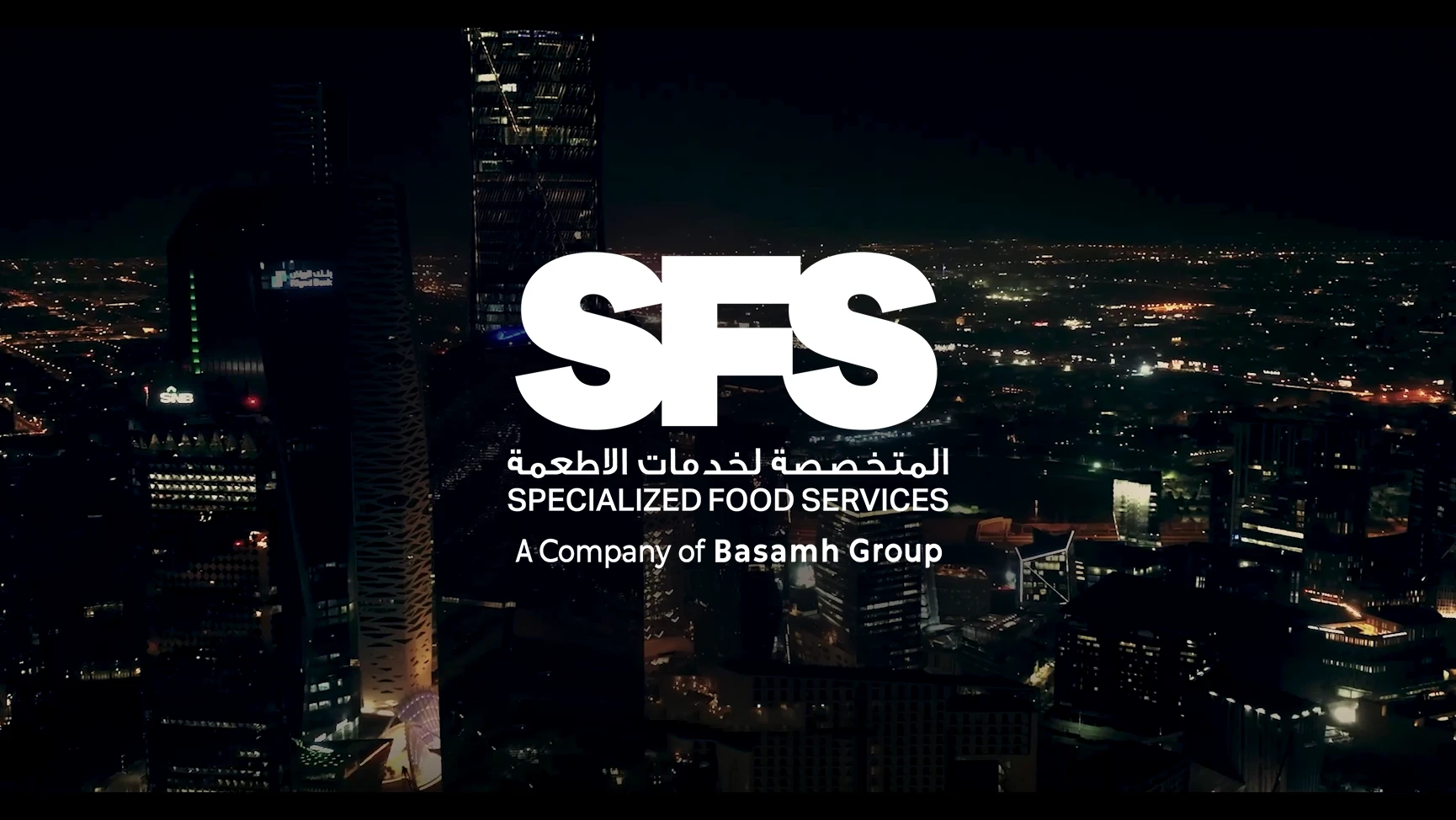
SFS is a powerhouse in Saudi Arabia's foodservice scene, delivering top products to the HoReCa sector (hotels, restaurants and cafés) in over 20 cities. That is a serious operation, and its corporate communications needed to feel as serious as the trucks and cold rooms behind it.
We built the SFS film from handpicked, licensed stock footage. Each frame was curated and cut to carry the SFS brand, so the final piece feels original and unmistakably theirs. It puts the company's drive for quality and innovation up front and gives its corporate comms a clear step up.
You can see the project on our SFS case study page.
Why licensed stock was the right call here.
A lot of people hear "stock footage" and picture a handshake in a glass office. Fair enough. Most stock is used lazily. Used with intent, it is a fast and honest way to show scale: fields, ports, kitchens, city skylines, people at work. A full shoot across 20 cities would have cost far more and taken months.
The craft is in the selection and the edit. Shots have to share a colour world, a rhythm and a point of view. When the grade, the pacing, the type and the sound design all come from one brand system, a viewer stops thinking about where the footage came from and starts thinking about the company.
B2B buyers watch films too, and they judge them fast.
A procurement manager at a hotel group is still a person with a phone. They watch the same reels and ads as everyone else, and they bring that taste to work. A grainy, overlong company video with a stock music bed tells them something about how you run your business, whether that is fair or not.
A good B2B film does a few specific jobs:
- It shows scale in seconds, so a buyer understands your reach before the first meeting.
- It gives your sales team something to send that people actually open.
- It works as the opening of a pitch, a trade show loop, a LinkedIn post and a website header, all from one edit.
That last point matters for budget. One strong master film, cut into shorter versions, can carry a year of corporate content.
Here is how we approach a B2B film in the Kingdom.
Biker, our operations director, keeps these projects tight from the first call. He pushes for one clear sentence about what the company does better than anyone else before a single clip is pulled. Everything in the edit then has to serve that sentence.
From there the process is simple:
- Find the one claim. Reach, quality, speed, reliability. Pick the strongest and make it the spine.
- Decide the footage mix. Licensed stock, a short shoot of your own people and facilities, AI-assisted shots, or a blend. Our AI-infused production team can fill gaps where a shoot would be too slow or too costly.
- Build the look. Grade, type, motion and sound designed as one system so every clip feels shot for you.
- Cut for every place it will live. A hero film plus shorter versions for social, events and sales outreach.
Our post-production and video editing team handles the edit, grade and finishing in one place, which keeps the brand consistent across every cut.
Saudi B2B brands have a real opening right now.
The Kingdom is full of companies doing impressive work behind the scenes: distributors, logistics firms, catering groups and equipment suppliers. Many of them are growing as fast as the consumer brands they serve, with far less polish on show.
That gap is an advantage for whoever closes it first. When two suppliers bid for the same hotel contract, the one with the better film looks like the safer bet. It is a small edge, and in a crowded market small edges add up.
If you are curious how video fits into other parts of the Gulf market, our piece on real estate film in the Gulf and Iraq covers a sector with similar habits.
Frequently asked questions about B2B video production in Saudi Arabia.
How big is the Saudi foodservice market?
Estimates vary by firm. IMARC values it at about 28.7 billion dollars in 2024, with growth of around 8% a year expected through 2033. Other research firms give figures between roughly 26 and 32 billion dollars.
Can a B2B film be made without a full shoot?
Yes. The SFS film was built from carefully selected licensed stock, edited and graded to feel original. A short shoot or AI-assisted shots can be added where you need your own people or sites on screen.
How long should a corporate film be?
Most hero films work best between 60 and 120 seconds, with 15 to 30 second cuts for social and sales outreach. Length should follow the story you have to tell.
How do we start a B2B film with iklipse?
Send us what your company does and who you need to convince. Reach us through our contact page.
Sources: IMARC Group, Fortune Business Insights, Ken Research, iklipse case studies.