The 2026 World Cup final, Spain's 1-0 extra-time win over Argentina on 19 July, was the most watched soccer broadcast in US history, with FOX and Telemundo together drawing more than 60 million viewers. The ads around the tournament taught three clear lessons: audiences punish AI that looks like a shortcut, they reward AI that serves a strong idea, and the smartest play can come from a brand with no sponsorship at all.
iklipse is a creative and AI production agency working across the US, the GCC and Egypt. Here is what we took from a month of watching football and the breaks between it.
The audience was bigger than anything US soccer has seen.
FOX's English-language coverage of the final averaged about 38.9 million viewers, peaking at 51.7 million during extra time. Telemundo and Peacock added around 23.9 million in Spanish, the biggest soccer audience in the network's history. Totals vary by source: early reports combined the two at about 62.8 million, and later Nielsen figures cited by Front Office Sports put it at 66.4 million. For comparison, the 2022 final drew 16.8 million on FOX.
In short, the US finally watched the World Cup the way the rest of the world does. That made it the biggest test yet for AI-made advertising in front of a mass American audience.
Lesson one: audiences spot AI that cuts corners, and they say so.
Coca-Cola's "Uncanned Emotions" spot drew the most criticism of the tournament's campaigns. Its centrepiece was a run of AI-generated shots of Coke cans being tapped, opened, thrown and spilled. Design and trade press said the visuals looked like a production shortcut that undercut a decent concept. It was the third year running that a big Coca-Cola AI campaign sparked backlash, after its 2024 and 2025 holiday ads. Pepsi's "Football Nation" took smaller-scale criticism for its AI visuals too.
The trouble came from hero product shots that looked synthetic in the one place a drinks brand cannot afford it: the product. A can is the thing people know best. Get the condensation, the light or the physics a little wrong and viewers feel it immediately.
Lesson two: AI works when it carries an idea people already like.
Coca-Cola also ran "José vs. Mourinho", a social-first campaign using AI around José Mourinho, with more than 200 pieces of content planned through the tournament. Commentators pointed out that what carries it is Mourinho himself: his humour, his competitiveness, his ego. The AI is a supporting tool for a personality people already enjoy.
Same brand, same tournament, very different reaction. The difference is what sat at the centre of each piece.
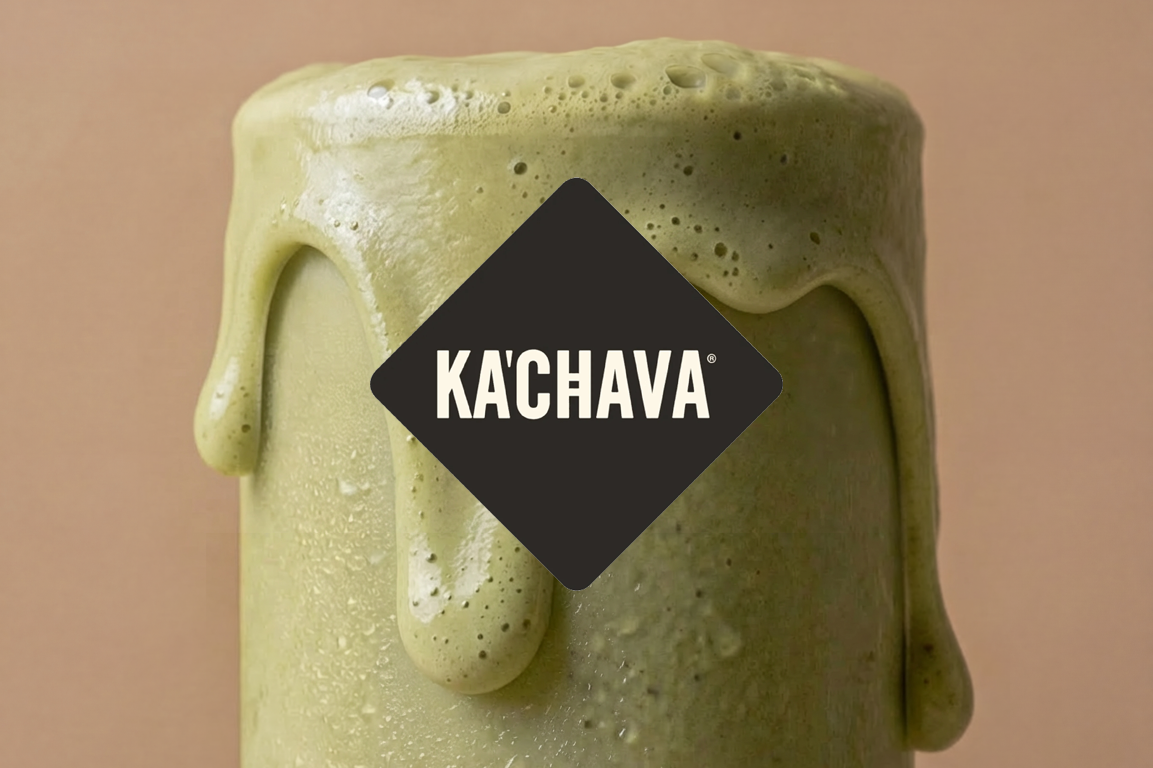
Joe G., who heads AI production at iklipse, runs every project through a simple test before anything is generated: what is the idea, and would it still work if we shot it for real? If the answer is no, more rendering will not save it. That is how we approach our own AI-infused production work, from Ka'Chava shake pours to Sleeke product visuals, where the product has to look exactly right.
Lesson three: the cleverest ad came from a brand that was not allowed in.
FIFA limits branding inside World Cup stadiums to official sponsors. Levi's Stadium in Santa Clara hosted six matches under the name San Francisco Bay Area Stadium, with the Levi's name covered. The cover over the logo was cut to the exact shape of Levi's batwing. Levi's ran with it, swapping its profile picture to the covered batwing, posting a video and covering its own store logos in several countries. Comment sections called it one of the smartest ads of the tournament.
No sponsorship fee, no AI, no big production. Just a brand that noticed a moment and moved quickly. Speed and wit still beat budget.
The same lessons apply in the Gulf and Egypt.
Arab audiences watch the same tournament and the same global ads, often on the same night. They also spend more time on social platforms than most, and they are quick to share what they love and mock what they do not. A regional brand planning a Ramadan film or a big football moment should expect the same scrutiny. Use AI where it gives you scale and speed, keep real faces and real products honest, and make sure there is an idea worth defending before the first frame is made.
Here is what this means for brands planning big moments.
- Protect the product shot. Use AI freely for worlds, crowds and transitions, but hold the product to photographic standards, or shoot it.
- Build around a person or an insight. Mourinho worked. Floating cans did not.
- Stay ready to react. The Levi's moment came from a social team that was watching. A good social media setup during a big event needs people on shift, with approval lines short enough to post the same day.
- Expect scrutiny. A mass audience includes millions of people who now know what AI looks like.
Frequently asked questions
How many people in the US watched the 2026 World Cup final?
FOX averaged about 38.9 million and Telemundo and Peacock about 23.9 million. Combined totals reported range from about 62.8 million to 66.4 million depending on the measurement used.
Why was Coca-Cola's World Cup ad criticised?
Critics said the AI-generated product shots in "Uncanned Emotions" looked synthetic and felt like a shortcut.
What did Levi's do during the World Cup?
When its stadium logo was covered under FIFA rules, the cover took the shape of its batwing, and Levi's turned that into a social campaign.
Sources: TV Insider, NBC Sports, Front Office Sports, Flashscore, DesignRush, The Logical Indian, LBB Online, The Source, Marketing4eCommerce.