The best experiential marketing activations are built around an object people want to stand next to. A branded airline trolley serving drinks is that kind of object: it is familiar, a little absurd and very photogenic. For Lemon Sour's event series, we took its trolley and its drink dispenser and filmed them as design icons, so the objects people meet at the events also carry the brand online.
iklipse is a creative and AI production agency working across the GCC, Egypt, Europe and the US. This project sat between our brand experiences and AI production work, and it changed how we think about activation design.
Lemon sour is a Japanese drinking ritual, and the brand built events around it.
In Japan, "lemon sour" is the everyday name for a lemon chu-hi, a fizzy drink of spirit, soda and lemon. It is a fixture of Japanese bars and convenience store fridges, and big drinks companies compete hard in the category.
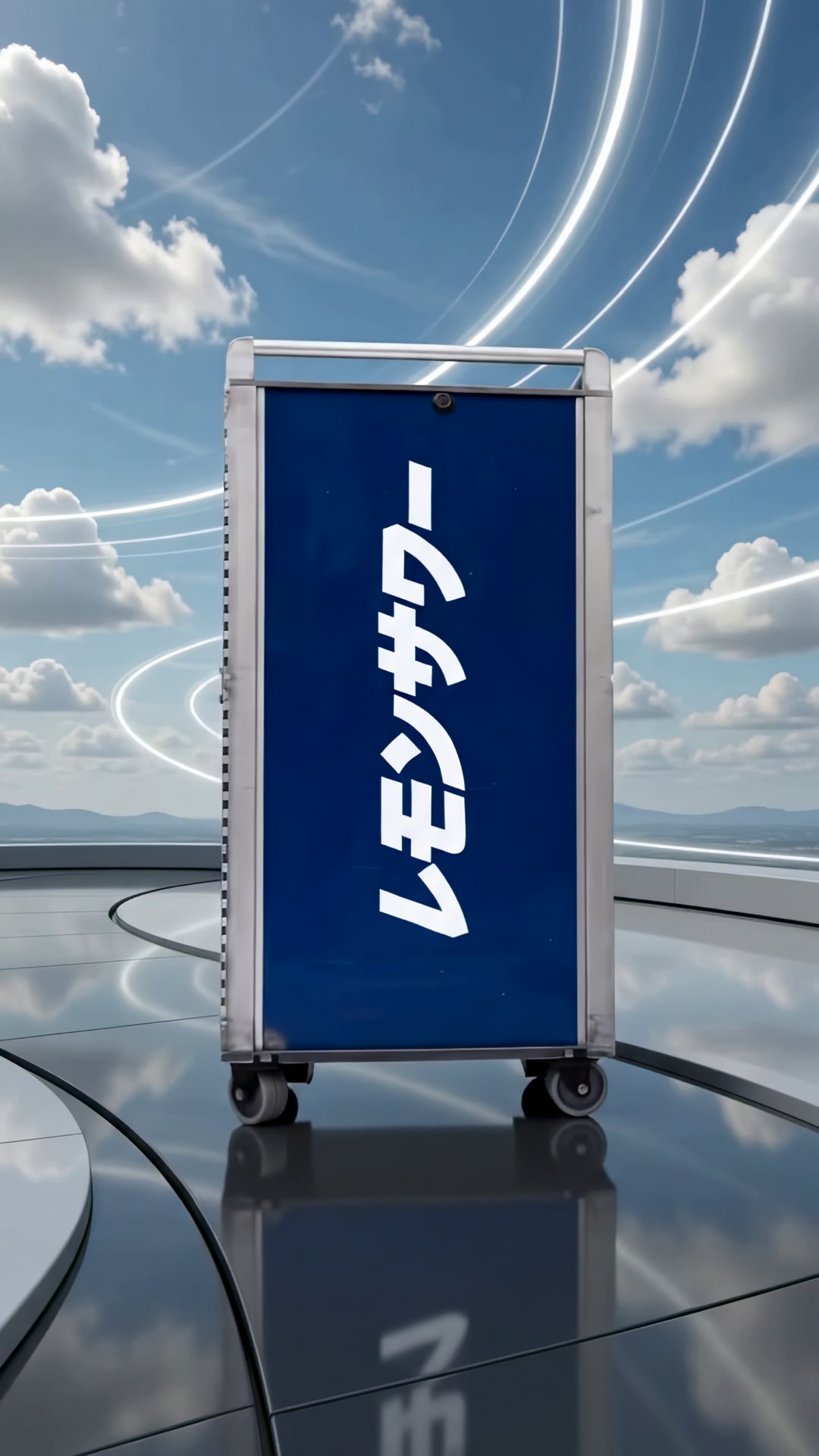
Lemon Sour brings that taste of Japan to its own event series. Two custom pieces sit at the heart of every night: a branded airline service trolley and a matte black drink dispenser. Both carry tall white katakana lettering, and both are the centrepieces of the night.
An activation object has to work twice, in the room and on the feed.
Anyone who has run a brand activation knows what happens at the bar. People queue, they chat, and then someone takes out a phone. They photograph the thing that is strange, beautiful or fun to hold. A trolley you would normally see in an aisle at 35,000 feet, now parked at a party and pouring drinks, ticks all three.
That photo is the activation's second life. It reaches people who never came. The brand's job is to make sure the object looks as good in a phone camera as it does in person, and that the brand's own content shows it at its best.
What makes an object worth photographing.
- It borrows from somewhere unexpected. An airline trolley at an event reads instantly as a joke and a story, with no explanation needed.
- It has one strong colour and one strong mark. Navy and white katakana on the trolley, matte black and white on the dispenser. Busy objects photograph badly.
- It is something you touch. Guests open the trolley, lean on it, pour from the dispenser. Interaction makes people take the picture.
- It works in vertical. Tall lettering and upright shapes fit a phone screen without cropping.
We filmed the trolley and the dispenser like premium tech.
The brand wanted both objects to stop reading as event furniture and start reading as design icons, shown with the calm precision you would expect from a launch film for a new phone. So we built a world for each one and let it perform.
The navy trolley turns slowly inside an open sky ring, then comes apart in a glass pavilion. Every panel, shelf, caster and brake pedal floats in its true assembly position. The dispenser rotates on a white salt flat beneath floating black discs. Slow macro passes travel over its glass door, drip tray and lock, and then an exploded view opens up the rack and cooling core inside.
Every shot is vertical and unhurried, with no cuts inside a move, so the objects present themselves. The result is a set of hero films, exploded views and macro stills ready for social and web. You can watch them on the Lemon Sour case study.
Why AI production fit this brief.
Building a glass pavilion, finding a salt flat and rigging a trolley to fly apart would cost a fortune and take months. With AI-infused production, we could stay faithful to the real objects, down to the brake pedal, and put them in places they could never physically go. The exploded views are accurate to how each piece is assembled, which matters to a brand that is proud of its hardware.
Here is what we would tell any brand planning an activation.
Design the object before you design the event. If the centrepiece is good, guests will do half of your social media for you. Then make the brand's own content about that object, so what people see online matches what they meet in the room.
Spend on one hero piece over ten small ones. A single trolley everyone remembers does more than a wall of logos nobody notices.
Think about touch as much as looks. A trolley drawer that slides open, a tap that pours, a lock that clicks: these small physical moments are what guests film, because they are fun to do and easy to show in a few seconds.
Plan the content at the same time as the build. When we know the object early, we can design shots, angles and stills that the event team can reuse for invitations, posters and recap posts.
Frequently asked questions
What is an experiential marketing activation?
A live brand experience, such as a pop-up, event bar or installation, where people interact with a brand in person. The strongest ones are built around a memorable object or moment that guests share.
What is lemon sour?
In Japan, lemon sour is the common name for a lemon chu-hi, a sparkling drink made with a spirit, soda and lemon.
Can AI production show a real product accurately?
Yes, when it is built from the real object. For Lemon Sour, every part of the trolley and dispenser in the exploded views sits in its true assembly position.
Sources: Campaign Asia, Just Drinks, Fortune.