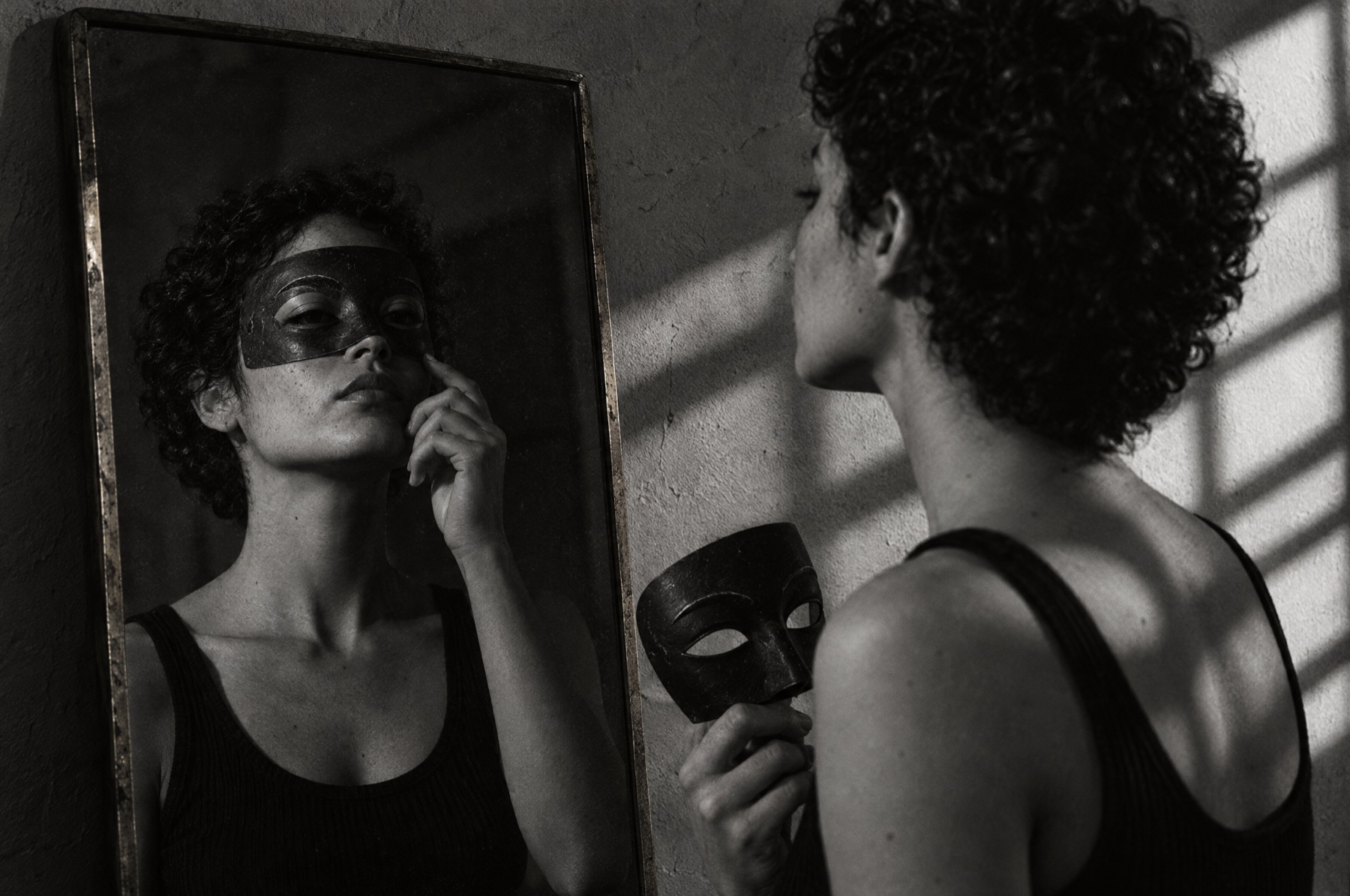
Ethical AI imagery comes down to four things: the right to use the material, the right to use a face, the consent of the people involved, and honesty with the audience about what is synthetic. Get those four right and AI becomes a powerful, safe production tool for a brand. Get any one wrong and the brand risks a legal claim, a platform takedown or a public loss of trust.
This is the third part of our series on responsible AI. At iklipse, a creative and AI production agency working across the US, the GCC and Egypt, these are the rules we use on every AI job in 2026.
The law caught up with AI imagery faster than many brands expected.
Three developments shape how we work.
Voice and likeness are protected in more places.
Tennessee's ELVIS Act took effect on 1 July 2024. It extended the state's right of publicity to cover a person's voice, and it reaches people who make or share unauthorised AI imitations. Other jurisdictions are moving in the same direction, and brands working in the US should assume that copying a real person's face or voice without permission carries real risk.
Copyright cases are being decided, slowly.
In November 2025 the UK High Court ruled in Getty Images v Stability AI. Most of Getty's claims failed, partly because Getty dropped its main training claim during the trial, though the court found limited trademark infringement where early model outputs showed Getty-style watermarks. The ruling answered a narrow set of questions in one country, and the wider debate continues, so we treat training data and output rights as open questions and choose tools and licences with care.
Europe now requires deepfake labels.
The EU AI Act's transparency duties under Article 50, including labelling of deepfakes, began applying on 2 August 2026. Any campaign that reaches European audiences with realistic synthetic people or events now needs a clear disclosure.
Here are the four rules we follow on every AI job.
Rule one: we only build on material we have the right to use.
Product photos, logos, brand assets and reference images come from the client or from licensed sources. We use AI tools whose commercial terms allow client work, and we keep a record of which tools and inputs went into each final frame.
Rule two: we never use a real person's face or voice without written permission.
No celebrity lookalikes. No "inspired by" a famous athlete. No cloning a voice from a clip found online. If a client wants a real person in an AI scene, that person signs a release that names the use, the markets and the time period.
Rule three: consent covers the full use, and it can end.
When we scan or train on a real actor or model, the agreement says exactly what we can generate, where it can run and for how long. When the term ends, we stop using the likeness. Talent should be able to read their contract and understand what a computer will do with their face.
Rule four: we tell the audience when it matters.
If AI creates a realistic person, place or event that a viewer could mistake for real, we label it according to each platform's rules and local law. Stylised backgrounds, set extensions and obvious fantasy worlds rarely need a label. A realistic synthetic human almost always does.
Eve and Nova show how we build synthetic models in the open.
In 2024 we created Eve and Nova, two AI-generated models with their own personalities. Nova channels the energy of the sun, vibrant and radiant. Eve is the night, mysterious and elegant.
They are fully synthetic, and they were presented from day one as AI models. Nobody's face was borrowed to make them, and they are never passed off as real women. That openness is the point. A synthetic model can do brand work without the legal and ethical problems of copying a person, as long as the audience knows what it is looking at.
Joe G., our head of AI production, builds this into the workflow. His team keeps a log for each synthetic character covering the tools used and the references allowed, so a client can answer questions about where an image came from.
Responsible imagery is also a commercial decision.
Nabil, our founder, frames this to clients in business terms. A campaign that gets pulled, sued or mocked costs far more than doing it properly the first time. Rights and consent are part of the production budget, the same way location permits and music licences always were.
The good news is that most of what brands want from AI needs none of the risky material. Premium product shots, impossible sets, beautiful light, seasonal worlds: all of it can be built from licensed assets and the brand's own products. Our AI-infused production work lives mostly here, and it is where AI is strongest anyway.
A quick checklist for your next AI shoot.
- Do we own or license every input image, logo and product shot?
- Does any frame show a real, recognisable person, and do we have their signed consent for this use?
- Does the AI tool's licence allow commercial use for a client?
- Could a viewer mistake a synthetic person or event for real, and if so, is it labelled?
- Have we recorded which tools and inputs made the final assets?
Frequently asked questions
What does ethical AI imagery mean for a brand?
Using only licensed material, never copying a real person's likeness without consent, respecting the terms of that consent, and labelling realistic synthetic content.
Can a brand use an AI model instead of a real one?
Yes, if the model is fully synthetic, built without copying a real person, and presented honestly where a viewer could mistake it for a real human.
Do all AI images need a label?
No. Rules focus on realistic content that could mislead. Stylised or obviously fantastical imagery usually does not need one, though platform rules vary.
Can iklipse help us set up AI guidelines?
Yes. We help brands write practical rules for AI imagery and production. Reach us through our contact page.
Sources: Reed Smith, Alston and Bird, Bird and Bird, Cleary Gottlieb, Cloud Security Alliance, ICTRecht, iklipse case studies.