ChatGPT ads now run in 89 countries, and brands in the Gulf and Egypt can already buy them. On 21 October 2026 OpenAI said it had added 26 markets and that more than 100,000 advertisers have used the platform. The change that matters most this week is smaller: from the end of October, OpenAI will rewrite and adapt ad creative by default unless the advertiser switches that setting off.
We are iklipse, a creative and AI production agency working across the GCC, Egypt, North Africa and the US. We plan and make paid campaigns for brands in these markets, so here is what the news means and what we would do about it this week.
Here is what OpenAI announced in October.
ChatGPT ads started as a small US test in February 2026. By late September OpenAI listed 63 markets. The 21 October update brought the total to 89, with new markets named including Argentina, Chile, Colombia, Peru, Nigeria, South Africa, Pakistan and Bangladesh. Ads appear only on the Free and Go plans. Plus, Pro and Enterprise users still see none.
Two other changes came with it. On 5 October OpenAI said it would test a visual ad format shown while ChatGPT generates an image, starting later in October with a limited group of US advertisers. The ads are labelled and kept apart from the user's image, and OpenAI says ads do not influence ChatGPT's answers.
The second change landed in advertisers' inboxes on 20 October. OpenAI told them that "creative enhancements" would be switched on for new and existing campaigns at the end of the month. The email gave 30 October and OpenAI's help page gave 29 October, so treat the 29th as your deadline.
Our markets are already on the map, with one caveat for Saudi Arabia and the UAE.
ChatGPT ads opened across the Middle East and North Africa at the start of September, through OpenAI's self-serve Ads Manager and technology partners. OpenAI's availability table, as reported in early September, listed Egypt, Kuwait, Qatar, Oman, Bahrain, Jordan, Morocco, Tunisia, Algeria, Iraq and Lebanon.
Reports disagree on Saudi Arabia and the UAE. Some say both are live, and a Saudi agency that checked the official table found neither listed. Self-serve also requires the billed company to be based in a listed country. If your entity sits in Riyadh or Dubai, check OpenAI's live availability page before you plan budget, because the list changes without much notice.
The default setting lets the platform rewrite your ad.
According to OpenAI's email, as reported by PPC Land and Search Engine Roundtable, creative enhancements can rewrite headlines and descriptions, resize images, change the destination URL and translate ad text. These versions can run without approval of each one, and advertisers do not get a preview of every variation a user might see.
For a performance marketer chasing clicks, that may sound helpful. For a brand that has spent years on a tone of voice, it is a real risk. Think about what translation alone means in our region. An English headline turned into Arabic by a machine can lose the dialect, the joke or the respect a Gulf or Egyptian audience expects. A changed landing page can send people to the wrong offer. A resized image can crop the product, or the legal line, out of the frame.
None of this means the feature is bad. It means the choice should be yours, made on purpose, and never left to a default that switched on while the team was busy.
Here is what we would do before the end of October.
- Find the setting. In Ads Manager, open Settings and look for the creative enhancement card. You can switch it off for the whole account or per campaign, and campaign settings override the account default. Existing opt-outs carry over.
- Decide campaign by campaign. A broad awareness campaign with simple copy can test enhancements. Anything with prices, legal claims, regulated products or carefully written Arabic should stay off until you have seen results.
- Write your own Arabic. If you sell in Arabic, supply native Arabic copy for each market you target. Do not leave translation to the platform.
- Lock your landing pages. Make sure every destination URL is one you chose, tracked and working.
- Watch results closely. Ads Manager reports performance, and it will not tell you neatly which rewritten version did what. Compare campaigns with enhancements on and off before you trust it.
The brands that win here will bring their own creative.
Ads inside a chat answer are a new kind of placement. The person has just asked a question, so the ad has to be useful in that moment. That suits clear offers, honest product information and a strong brand voice, and it punishes vague copy.
This is where our digital marketing and SEO team spends a lot of its time now: planning which questions a brand should show up for, in AI answers and in ads, and writing copy that holds up when a platform starts adapting it. If you need many versions of a visual, our AI production team can make them in a controlled way, so that you approve the variations before they run.
For brands in Egypt, Kuwait, Oman and Qatar, ChatGPT ads are worth a small, careful test now. For Saudi and UAE companies, check your eligibility first. For everyone, the creative enhancement setting deserves five minutes before 29 October.
Frequently asked questions about ChatGPT ads.
Can brands in Egypt and the GCC buy ChatGPT ads?
Yes, in several markets. OpenAI opened ads across the Middle East and North Africa in early September 2026, and its availability table listed Egypt, Kuwait, Qatar, Oman and Bahrain. Reports conflict on Saudi Arabia and the UAE, so check OpenAI's live availability page.
What are creative enhancements in ChatGPT ads?
A setting that lets OpenAI rewrite headlines and descriptions, resize images, change destination URLs and translate ad text. It turns on by default for campaigns at the end of October 2026.
How do I opt out of creative enhancements?
In Ads Manager, go to Settings and switch off the creative enhancement card for the account or for single campaigns. You can change it at any time.
Who sees ads in ChatGPT?
Users on the Free and Go plans. Plus, Pro and Enterprise users do not see ads.
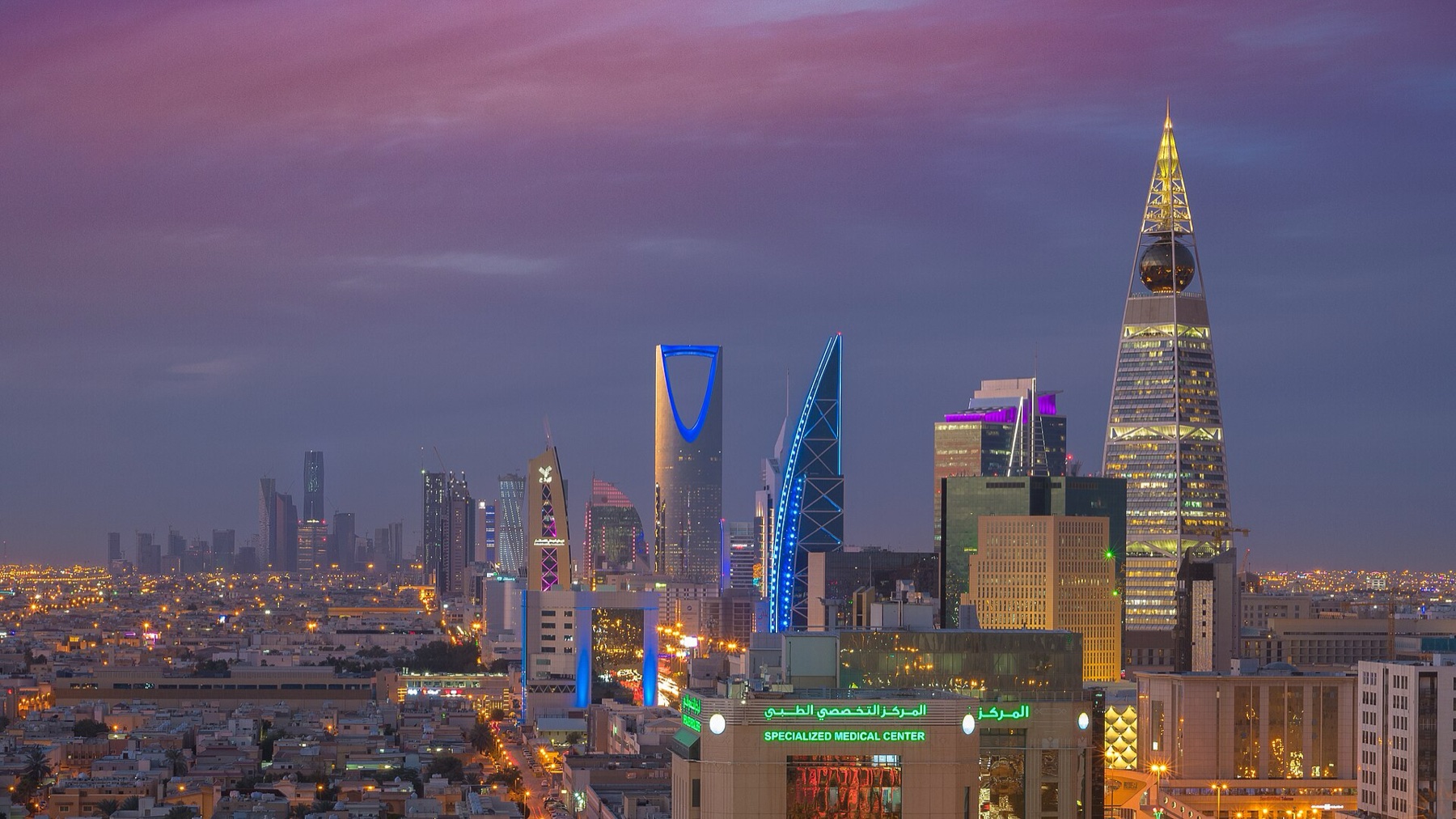
Sources: OpenAI, OpenAI Help Center, Reuters (via The Star), PPC Land, Search Engine Roundtable, The Next Web, ExchangeWire, Origami. Cover image: Jernej Furman, CC BY 2.0, via Wikimedia Commons.