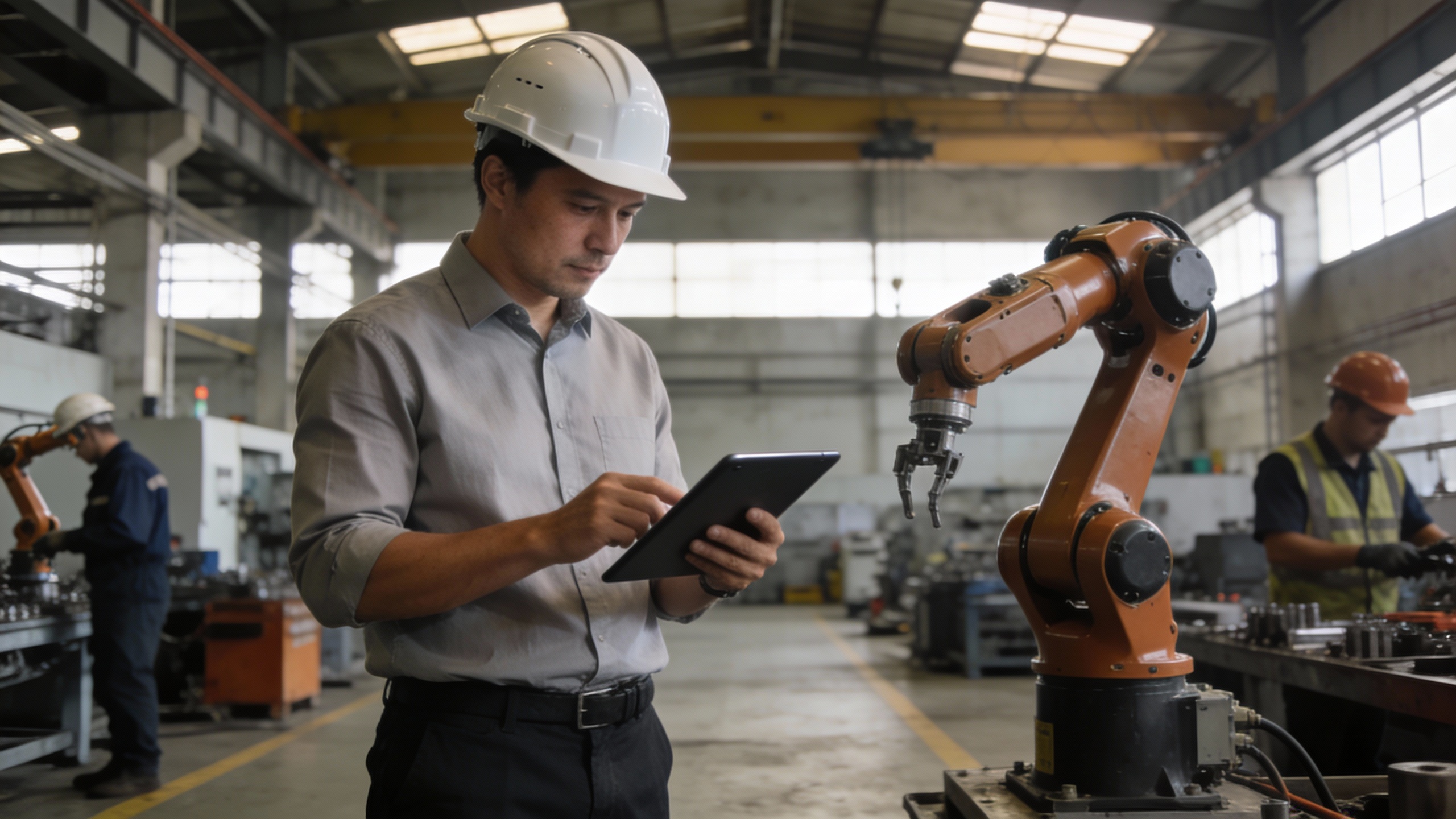
McKinsey's 2025 research finds that today's technologies could theoretically automate more than half of current U.S. work hours. However, it's not about replacing people; it's about redefining work. More than 70% of the skills sought by employers are used in both automatable and non-automatable work. In other words, your knack for problem-solving and communication won't vanish; it will simply apply to new contexts where you partner with intelligent machines.
This shift isn't small. McKinsey estimates that AI-powered agents and robots could generate about $2.9 trillion in U.S. economic value by 2030. Productivity alone doesn't tell the whole story. The same analysis suggests that more than 70% of human skills remain relevant, even if tasks change. You might spend less time preparing reports and more time interpreting AI-generated insights. Adoption is accelerating, too. Studies summarized by Apollo Technical report that daily AI usage in the workplace increased by 233% in six months, 43.2% of U.S. workers already use generative AI, and employees who use AI report an average productivity boost of 40%.
So what does production look like when your co-worker is a bot? Mercer's talent research argues that leading organizations are reimagining roles and embracing human-agent hybrid workforces. AI agents are no longer gimmicks at the edges of operations; they answer questions, move routine tasks forward and free people to focus on higher-value work. To harness that, companies need to update job descriptions so there is clarity around who manages AI agents, who checks their outputs for quality, and who escalates when something goes wrong. They also need to recognize new competencies: digital fluency, data literacy and the ability to interpret AI outputs should be core skills.
This evolution creates new roles (think "Agent Supervisor" or "Customer Success Orchestration Manager") and demands new metrics. Productivity can no longer be measured by how many widgets you assemble; it must account for how effectively you leverage AI to improve outcomes. The same principle applies in creative industries. Agencies like iklipse are demonstrating that AI can accelerate production workflows without sacrificing the strategic depth and human creativity that clients actually care about. Mercer's research emphasizes that job architecture must remain human-centric and that the goal is not to replace people but to empower them to work smarter.
The polarization in this conversation comes from those who see any robot on a factory floor as a harbinger of job losses. Yet the data suggest a more nuanced picture. AI is certainly automating low-level tasks, but it is also creating a need for people who can manage, interpret and ethically govern these systems. In practice, that means a production manager might spend the morning reviewing sensor-driven dashboards, the afternoon teaching an algorithm not to miscategorize a defect, and the evening troubleshooting a human conflict over which AI suggestion to follow.
Humor helps here. Imagine telling your parents that you got promoted because you know how to sweet-talk a chatbot. Or that your new apprentice is an algorithm who never takes a lunch break. The joke writes itself, but it also illustrates a bigger point. As AI spreads across production environments, success will belong to firms that treat the technology as a colleague to be managed, not as an infallible overlord. When robots become co-workers rather than competitors, the factory floor transforms from a battlefield into a collaboration space where human curiosity and machine efficiency create something genuinely new.